Jonathan Gemmell and Landscape Architecture student in the classroom
Image Credit: AGNR
Jonathan Gemmell '15 connection to the University of Maryland spans his time as a graduate student, professional landscape architect, and now faculty member in the Department of Landscape Architecture.
Jonathan earned his Master of Landscape Architecture from the University of Maryland, where his studies focused on children’s playscapes, environmental literacy, and the relationship between people and landscape. While in gr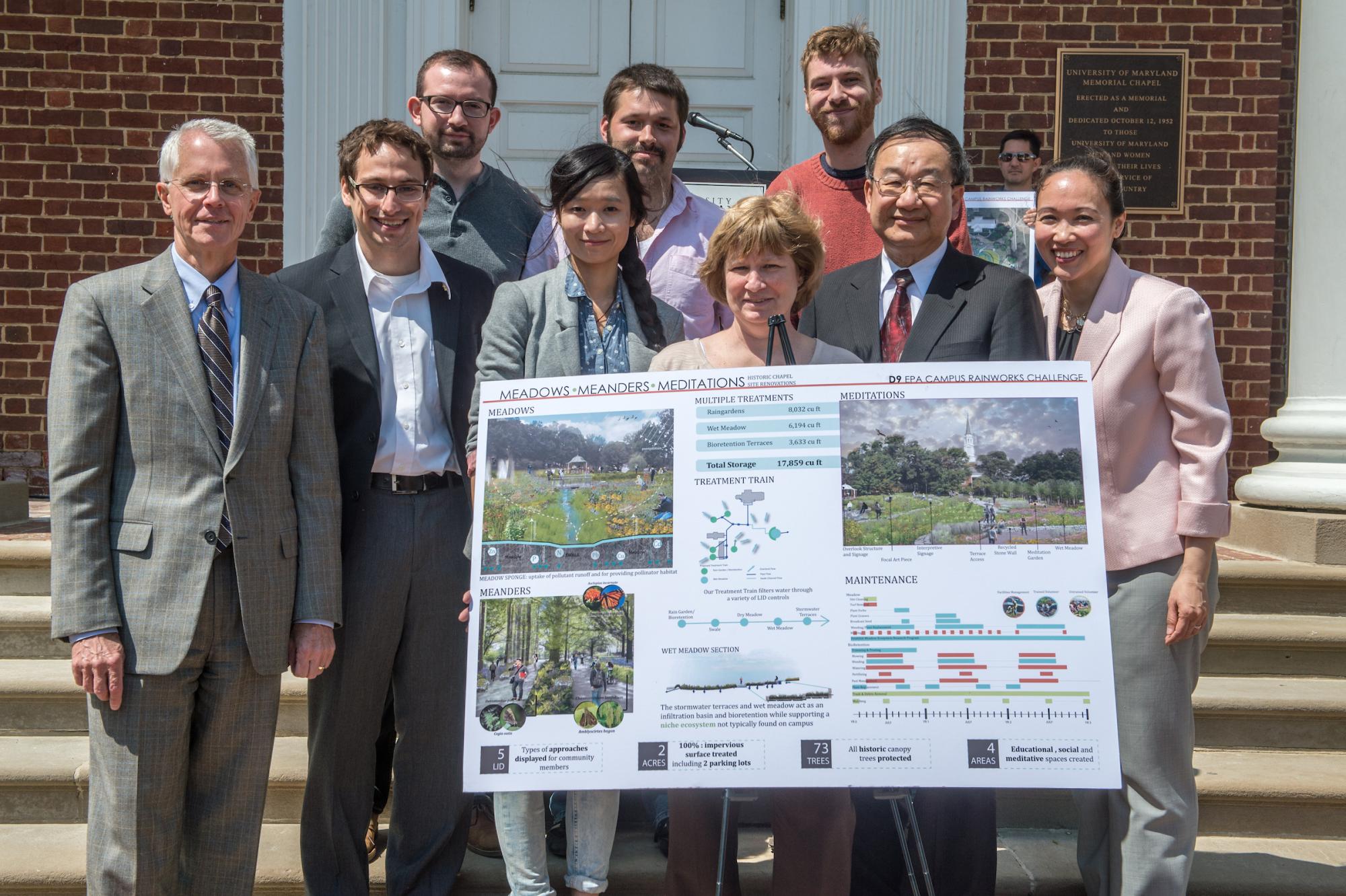 aduate school, he served as a teaching assistant for multiple courses in the department; that experience introduced him to teaching and remained an important influence as his career developed.
After graduating, Jonathan spent several years in professional practice working on projects throughout the Mid-Atlantic region. His work included K-12 and Higher Education campus design, transportation projects, community engagement, and environmental restoration. He worked on projects from early planning through construction, with a focus on planting design, stormwater management, and site-responsive solutions. Over time, he took on project management roles and led design teams for complex public and institutional work.
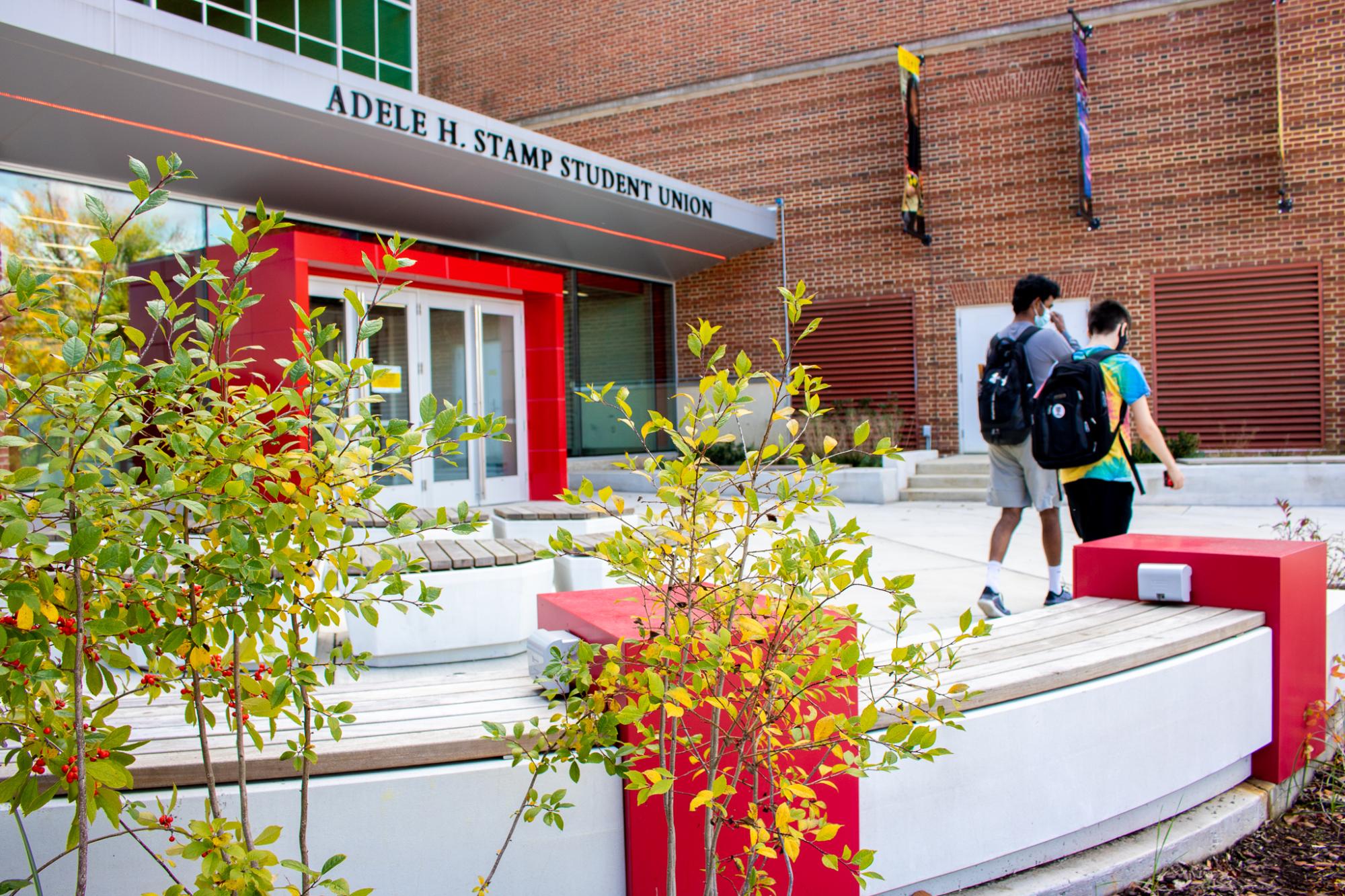
During this period, Jonathan had the opportunity to work on several projects at the University of Maryland. His professional work contributed to multiple landscapes on campus, including improvements associated with the Purple Line and the Big “M,” the Thurgood Marshall School of Public Policy, and the Lt. Collins Memorial Plaza. Participating in these projects allowed him to return to the campus in a new role, helping shape spaces that are used every day by students, faculty, and visitors.
Jonathan recently returned to the department as an assistant professor, where he now teaches courses in digital visualization and site design. His teaching emphasizes the connection between academic study and professional practice, with a focus on real world constraints, visual representation, and the technical skills needed to move ideas into built work. Having studied in the same program, he is especially interested in helping students understand how classroom exercises relate to real projects.
His path from student to practicing landscape architect to faculty member reflects the long-term relationships that often develop within the design professions. The University of Maryland played an important role at each stage, first as a place to learn the discipline, later as a client and project site, and now as the setting where he works with the next generation of landscape architects.
