Research focuses on a broad range of design, and basic and plant sciences to solve some of the most pressing issues today.
Our department is focusing on impacting food security, successful farming and designing landscapes to ensure increasingly urbanized communities with food and greenspace disparities have access to safe, affordable food and nearby greenspaces. While doing this work, we seek to minimize negative impacts or enhance surrounding ecosystems. Our faculty address these issues utilizing a broad array of scientific tools from basic gene discovery and CRISPR to conducting on-site research on farms, to teaching future teachers and extension specialists, to studying human responses to landscapes.
As a Land Grant institution, our work preferentially focuses on research activities that have a translational component tied to agriculture, ecosystems, and landscape design.
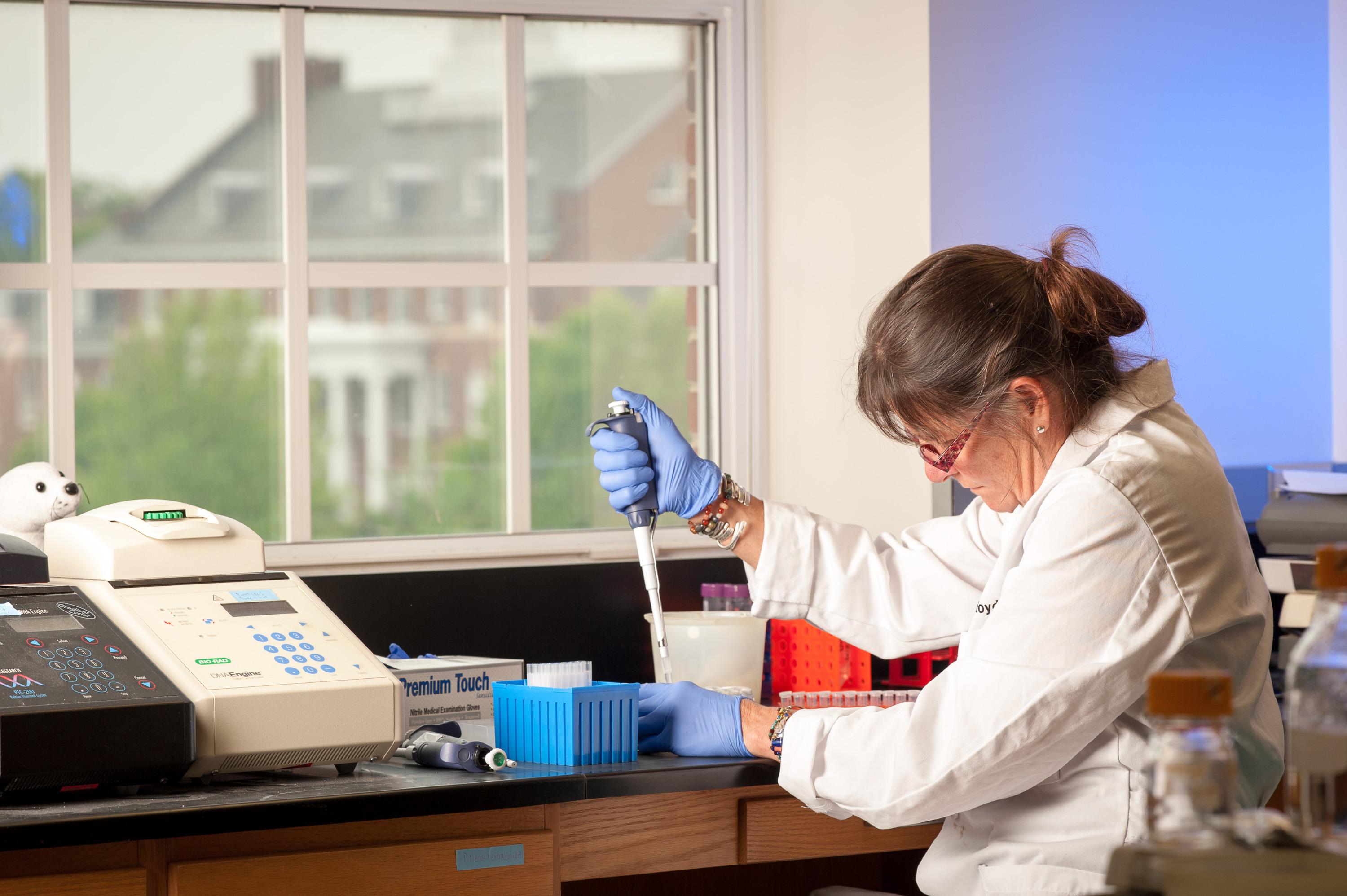 Our research efforts support the key elements of our land-grant mission and provide significant visibility and reputation to our department. In light of a changing climate, rapid conversion of land for human uses, and the need to produce enough food to feed the growing human population, scientists face the daunting task of balancing multiple environmental, economic, and social objectives. Scientists in the Department of Plant Science and Landscape Architecture are conducting research to support the development of novel strategies that improve the sustainability of natural, urban, and agricultural systems, protect and restore critical ecosystem functions, conserve and recover endangered species, promote sustainable landscape design and land use planning, integrate plant and soil health management, and maintain plant productivity in the face of global environmental change. To learn more about the specific research each faculty is doing please visit our Faculty page.
Areas of Research
Plant Ecology and Conservation Biology
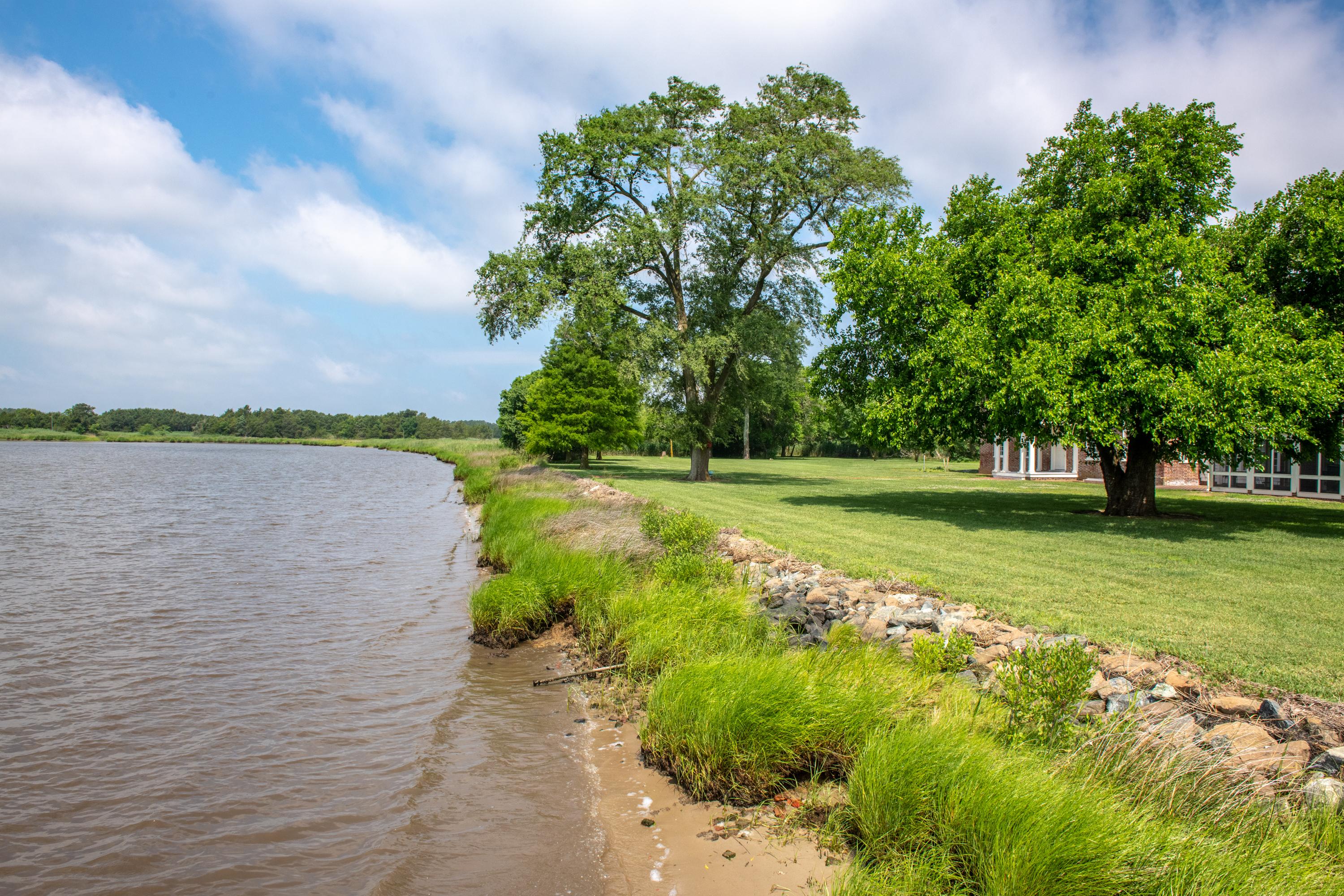
In light of a changing climate, rapid conversion of land for human uses, and the need to produce enough food to feed the growing human population, scientists face the daunting task of balancing multiple environmental, economic, and social objectives. Scientists in the Department of Plant Science and Landscape Architecture are conducting research to support the development of novel strategies that improve the sustainability of natural, urban, and agricultural systems, protect and restore critical ecosystem functions, conserve and recover endangered species, promote sustainable landscape design and land use planning, integrate plant and soil health management, and maintain plant productivity in the face of global environmental change.
Plant Pathology and Food Security
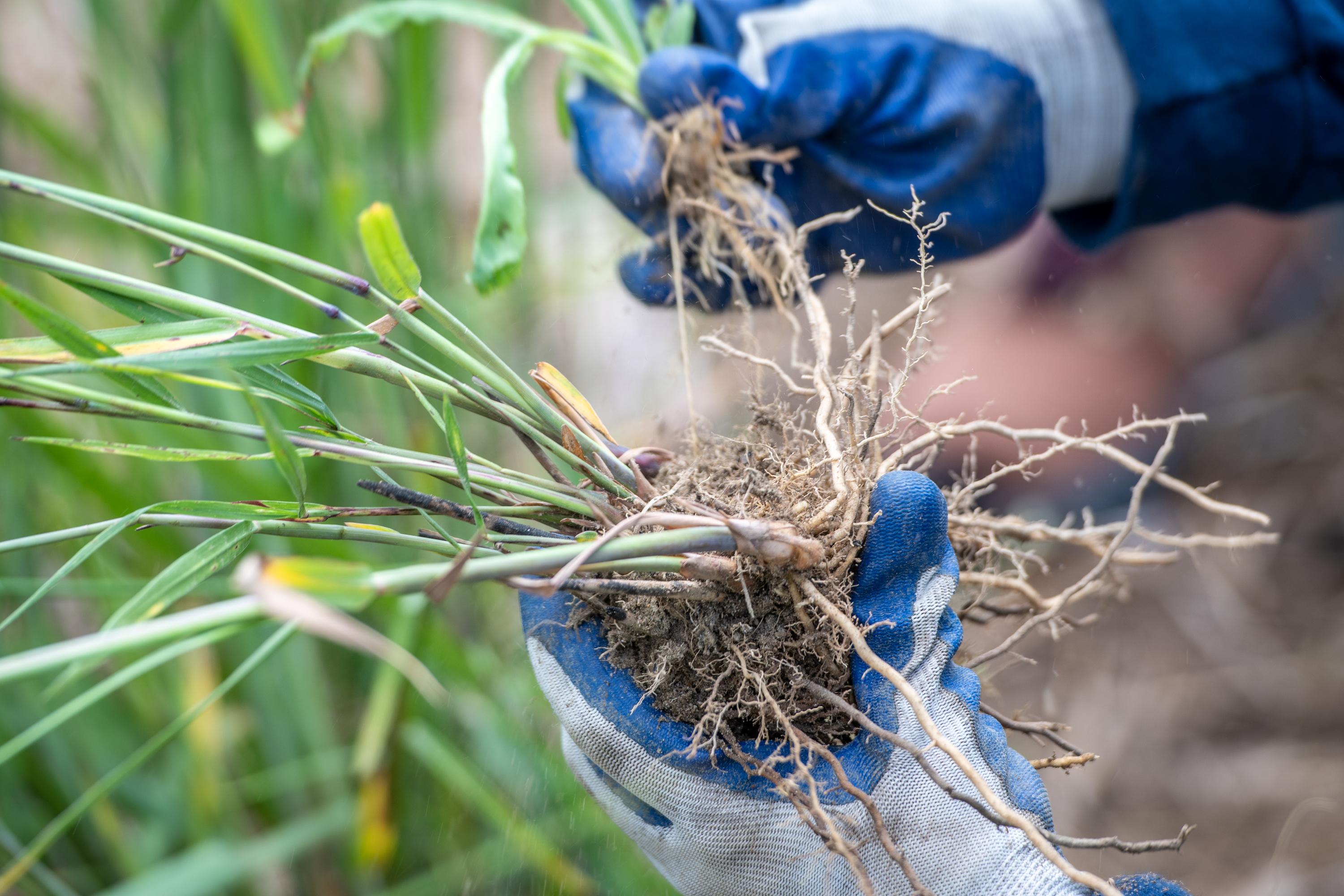
The science of plant pathology and food security encompasses many aspects of agriculture that includes plant production and management as well as food handling and preparation. Efforts within our department combine cutting edge foundational and translational research methods to ensure nutritious and safe food in addition to recreational areas comprised of forests, turfgrasses and ornamentals. Exciting research opportunities allow exploration in host immunity and pathogen biology, integrated pest management strategies, and ecological research in plant and microbial diversity. Continued advancement in plant science and the study of plant-microbe interactions will secure crop diversity and productivity for future generations, maintain microbial diversity in agriculture for enhanced sustainability and help us devise strategies to produce and maintain crops in response to environmental, economic and social challenges.
Food Safety of Fresh Fruits and Vegetables
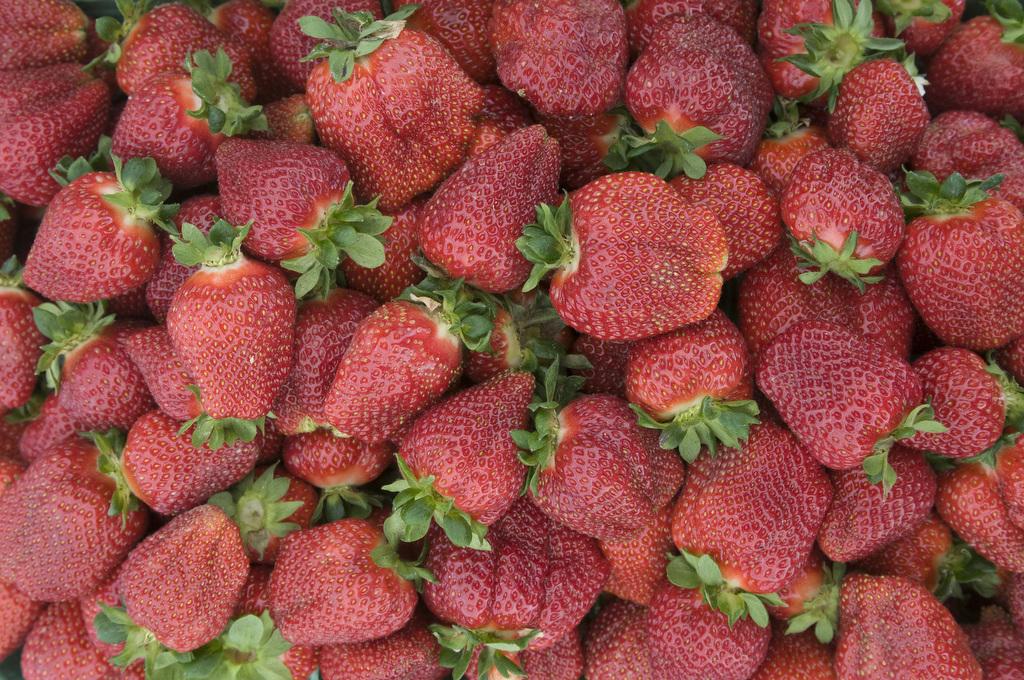
There is great interest in improving human health by including more fresh fruits and vegetables into the human diet. At the same time, there has been an increase in the number of foodborne illness outbreaks attributed to consuming fresh commodities like tomatoes, cantaloupes and leafy greens. To solve this problem, our graduate students conduct field and laboratory based studies to provide the scientific data needed to develop food safety metrics, and determine the best conventional and organic production methods that ensure the safety and quality of fresh fruits and vegetables.
Our students’ research approaches combine tools of microbiology, molecular biology, plant physiology and bioinformatics to test their hypotheses. Controlled studies focus on Salmonella, Listeria and human pathogenic strains of E. coli. Our students also ask questions about the role of the naturally-occurring microorganisms in the phyllosphere and rhizosphere, and the role played by the microbiome in the suppression of human pathogens. They are also curious to know more about plant-microbe interactions, and what bacterial adaptations allow human pathogens to live in association with food crops. How can human pathogens hitchhike and survive on a plant leaf or fruit, a dramatically different environment than their animal hosts provide? These are all exciting topics. Answers to these questions will lead to improvements in agricultural production methods, as well as to human health.
Invasives and Weed Science

As the climate is changing, so are the habitat ranges for all plant species. For a given species, the habitat may become more restrictive, so the species is limited to a smaller range, and this loss of habitat is of concern for endangered and threatened species. For another species, the habitat may become more permissive so that the species has a larger range, and this may allow other species to become invasive and weeds to become more successful. The invasive and weed science researchers are addressing these questions to find sustainable solutions that allow native species in natural, built and restored ecosystems and agronomic crops in agricultural ecosystems to thrive, to the detriment of weed species. In order to achieve such outcomes, researchers employ methods and technologies at the molecular level (studying the interaction of herbicides with plant cell molecules), the cellular and physiological level, as well as the whole plant and field level.
Plant Physiology and Development
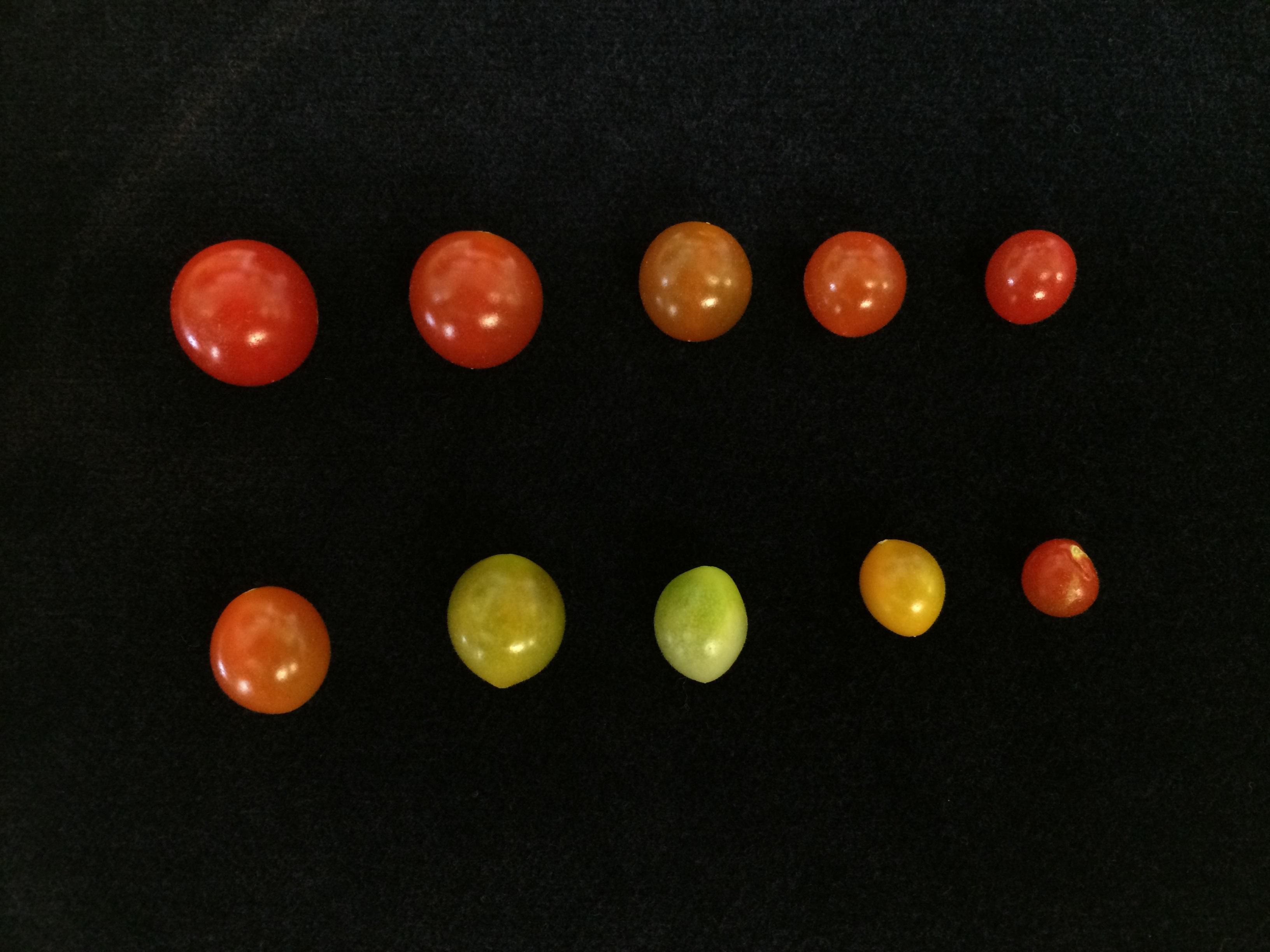
Plants are central to addressing the sustainability of life on this planet. Researchers study the underlying mechanisms of plant physiology, growth, development and responses to biotic and abiotic stresses. This research integrates an array of cutting edge approaches in molecular genetics, bioinformatics, proteomics, transcriptomics, metabolomics, imaging, biochemistry and electrophysiology in model and non-model systems. The findings allow for novel solutions to the global problems of climate change, water shortage, salt intrusion, as well as the growing demands for food, fuel and fiber for the expanding human population.
Agriculture Production and Information Systems
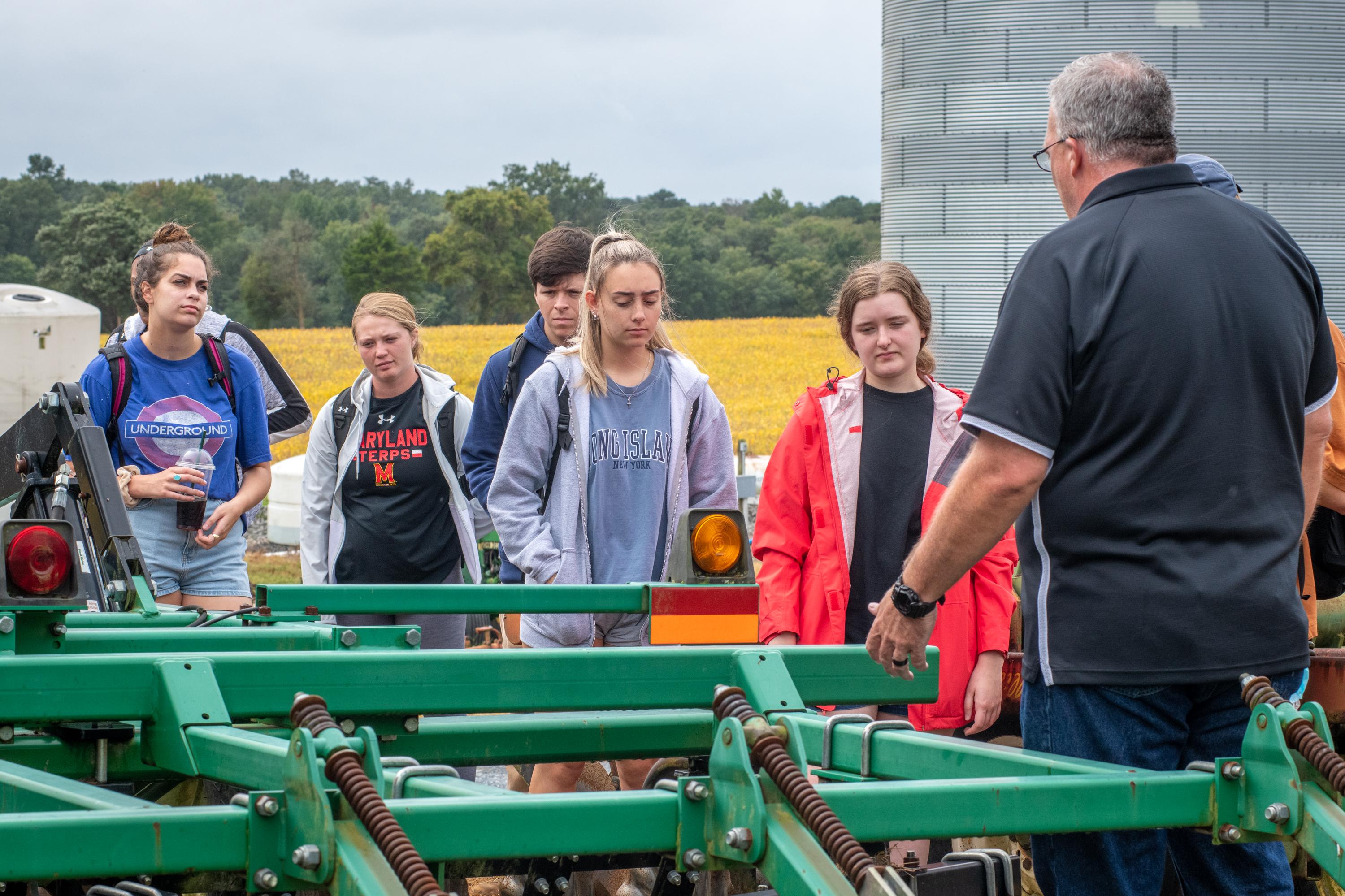
Agriculture is the number one industry in Maryland and researchers in the PSLA department perform applied research to support the viability of this vital industry within the state and beyond. Producers in Maryland are leaders nationally in utilizing practices that efficiently use nutrients to produce feed, food, and fiber. These practices are implemented to protect our sensitive natural resources, including the Chesapeake Bay, and were created based on research performed in PSLA. Our researchers engage producers and stakeholders to provide recommendations for better management strategies that balance environmental stewardship and agricultural productivity, through evaluation of novel products and technologies to development of long-term solutions to environmental issues. Research results are applicable not only locally in the Mid-Atlantic region but can provide guidance to producers across the country where off-site movement of agricultural nutrients is an emerging issue.
Landscape Architecture and Studies
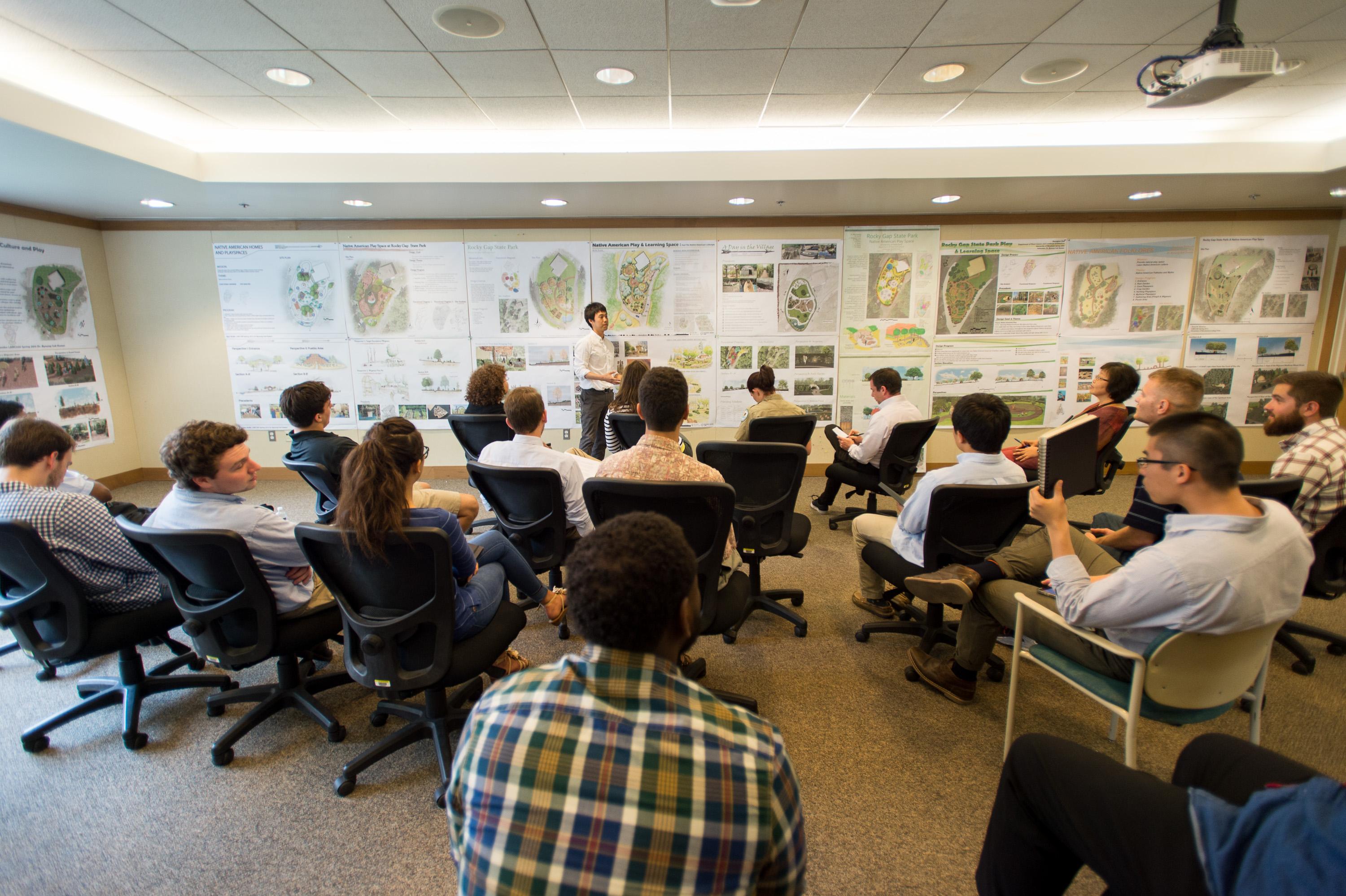
Complementing and strengthening the accredited professional Landscape Architecture programs, faculty and students are engaged in exploring strategies to increase the capacity of landscape architects, designers, and partners to solve environmental issues: urbanization, climate change, stormwater pollution, placelessness and others critical and emerging topics. Evidenced based design and planning research grounded upon an ecological design process supports a systems approach to integrating abiotic, biotic and cultural factors in the built and non-built environment in artful place-based design and planning processes.
Research Centers & Facilities
The core facilities located on the campus of the University of Maryland, College Park occupied and utilized by the Department of Plant Science and Landscape Architecture (PSLA) consist of areas within two buildings: the Research Greenhouse Complex (RGC, #398) and the Plant Sciences Building (PLS, #036). Within both RGC and PLS is the University of Maryland Plant Growth Facility, managed and operated by PSLA.
Teaching and research laboratories, the Norton-Brown Herbarium, the Turfgrass Research Center and the Agronomy Field Trials Center (located at 5 different RECs), are also part of the core departmental facilities. The Research and Education Centers are an integral component of the core facilities that PSLA faculty, students, and collaborators utilize for their research, teaching and extension efforts.
Research Centers
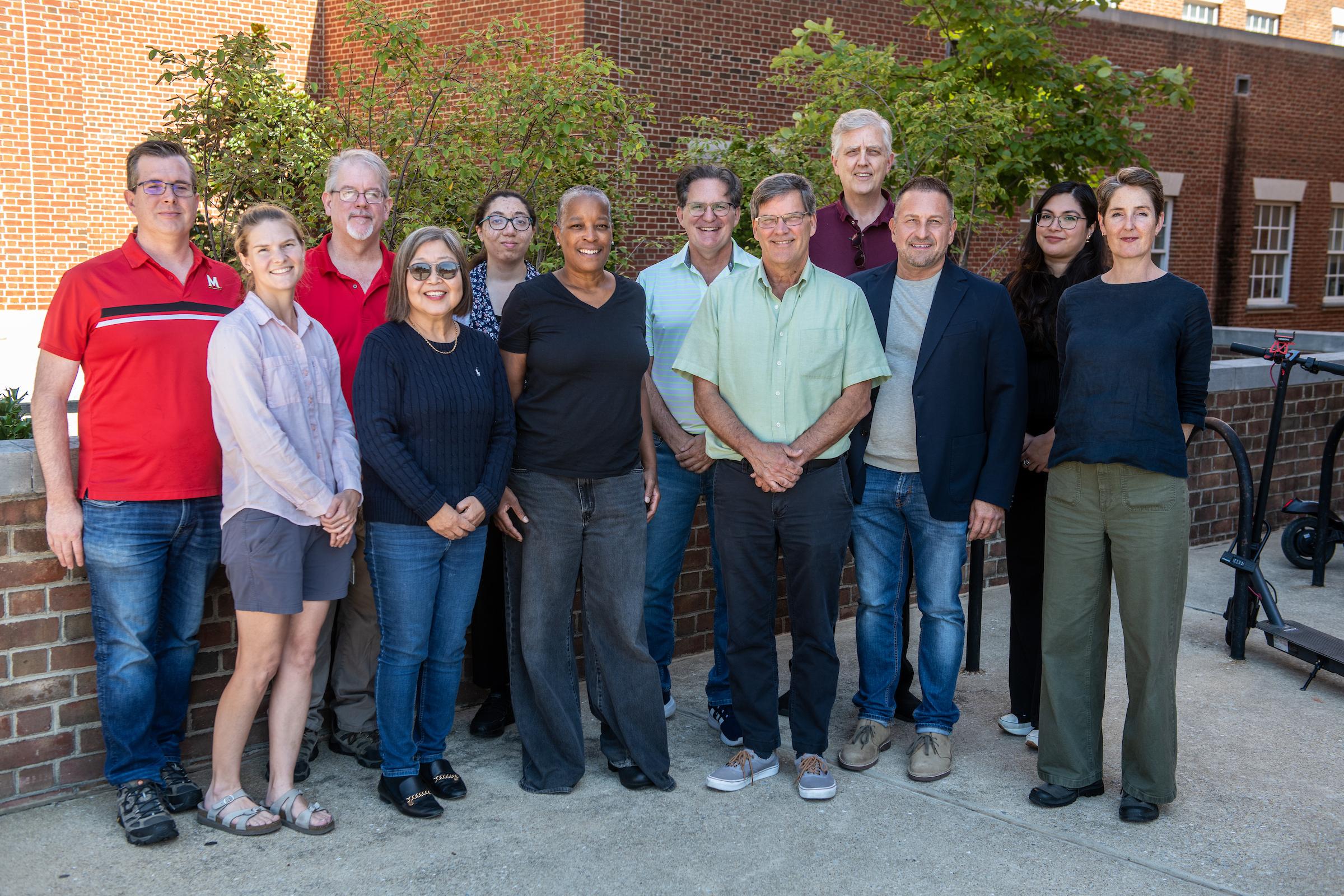
The Landscape Architecture program established the Design Center for Environmental and Community Health (EaCH). The Design Center for EaCH is a center for collaboration among educators, researchers, students and practitioners concerned with the health of people and the environment we live in. Center fellows study health related design problems in the laboratory and classroom, and implement solutions in the real world. The goal is to rise above the minimum bar of sustainability, toward a healthier, better balanced, and more productive world community that maximizes quality of life. This is achieved through research and development ranging from therapeutic landscapes and accessible design, to resilient design, green infrastructure and wildlife habitat restoration.
Research Facilities
The Maryland Agricultural Experiment Station (MAES) represents the research arm of the College of Agriculture and Natural Resources (AGNR) at the University of Maryland College Park. MAES funds and fosters research at all levels (molecular, cellular, organism, ecosystem, etc.) for the sustainable (economically and environmentally) and safe (ecosystem health and human health) food production. MAES funds and supports more than 120 faculty conducting research within AGNR and other collaborating colleges.
The Department of Plant Science and Landscape Architecture conducts research at several MAES locations. Click on the links below to find out more!
| Location | Description |
|---|---|
| Research Greenhouse Complex | Opened in 2003, the Research Greenhouse Complex houses the core of the University of Maryland Plant Research Growth facility (PRGF), the Norton- Brown Herbarium, and field-oriented research labs of the Department of Plant Science and Landscape Architecture. |
| Central Maryland REC | The Central Maryland Research and Education Center (CMREC) is comprised of five Maryland Agricultural Experiment Station (MAES) research farms and associated facilities which are located in two central Maryland counties within the greater Baltimore-Washington population center. |
| Lower Eastern Shore REC | The Lower Eastern Shore Research and Education Center (LESREC) is comprised of two separate facilities, the vegetable farm at Salisbury and a 214-acre facility at Poplar Hill, both managed by David Armentrout. The Poplar Hill Facility is located on Nanticoke Road about 10 miles west of the Salisbury Facility. |
| Western Maryland REC | The Western Maryland Research and Education Center (WMREC) consists of a single 491 acre facility located in Washington County. Housed at this facility are faculty and staff of the Maryland Agricultural Experiment Station (MAES) and University of Maryland Extension (UME) - both components of the University of Maryland, College of Agriculture and Natural Resources. |
| Wye REC | WyeREC is situated on 1,000 acres on Maryland's Eastern Shore. The Center's location makes it an ideal site for research focusing on preserving the health and vitality of the Chesapeake Bay, sustaining agricultural productivity, product diversity, and maintaining Maryland's valued quality of life. |
